
Advances in molecular diagnostics, bone marrow transplantation, targeted therapies and cellular treatments are reshaping the way blood disorders and cancers are diagnosed and managed in India. However, challenges around awareness, timely diagnosis and access to advanced therapies continue to affect patient outcomes, says Dr. Narendra Agrawal, senior consultant and unit head of Haemato Oncology, Bone Marrow Transplantation and Cellular Therapy at Rajiv Gandhi Cancer Institute, New Delhi.

According to Dr. Agrawal, one of the biggest challenges in blood cancer management remains delayed diagnosis. Symptoms such as fever, fatigue and anaemia are often non-specific and can overlap with common illnesses. Low awareness, fear surrounding a cancer diagnosis and uneven access to specialists and diagnostics, particularly outside major cities, can further delay treatment.
“There is a common misconception that testing or biopsy can spread cancer. That belief is false,” he says, adding that avoiding evaluation can result in the disease being detected at a later stage. “Closing the information gap and strengthening referral pathways and diagnostic access must be the priority.”

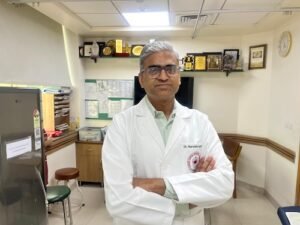
The burden of haematological diseases extends beyond cancer. Dr. Agrawal identifies thalassemia and aplastic anaemia among serious blood disorders requiring timely intervention and specialised care.
Thalassemia, an inherited condition characterized by persistently low haemoglobin, often requires repeated blood transfusions. However, repeated transfusions can lead to iron overload, making regular monitoring and iron chelation therapy essential.
“The definitive cure is bone marrow transplantation,” Dr. Agrawal says. Maintaining appropriate haemoglobin levels, monitoring iron accumulation and managing complications can also help prepare suitable patients for transplantation.
Aplastic anaemia, meanwhile, occurs when the bone marrow becomes dysfunctional and fails to produce sufficient blood cells. This can result in severe anaemia, bleeding risks, weakened immunity and life-threatening infections. For eligible patients, particularly younger individuals, bone marrow transplantation can offer a curative option, while immunosuppressive therapy remains an important alternative where transplantation is not feasible.
Personalized treatment
One of the most significant developments in haemato-oncology has been the growing use of precision diagnostics and genomic testing. By studying mutations within cancer cells, doctors can gain a clearer understanding of the disease, including its likely aggressiveness and prognosis.
“Sometimes, a specific mutation identified in the DNA is one for which a targeted drug already exists,” Dr. Agrawal says.
This allows treatment to be tailored according to the patient’s risk profile. Patients with lower-risk disease may be treated with approaches such as chemotherapy, immunotherapy or targeted therapy, potentially avoiding the need for a bone marrow transplant. In higher-risk cases, treatment may be intensified through combinations of therapies, including transplantation or CAR T-cell therapy in selected patients.
CAR T-cell therapy and the accessibility challenge
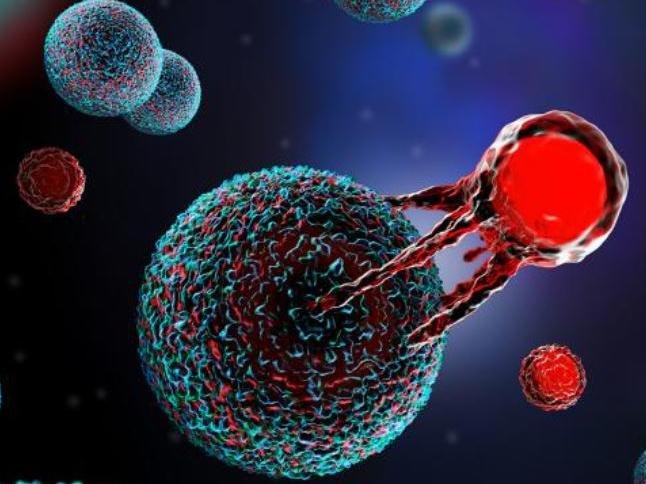
Among the most promising developments is CAR T-cell therapy, which uses a patient’s own immune cells in an attempt to target cancer. “In simple terms, we extract a patient’s own T-cells from their blood and essentially train them, giving them new strength and a specific ability to fight that patient’s particular cancer,” Dr. Agrawal explains.
Currently, the therapy is used for a limited group of B-cell malignancies, including certain B-cell lymphomas, B-cell leukaemias and multiple myeloma. It can be particularly valuable for patients whose disease has not responded to other treatments or those with high-risk disease.
The emergence of indigenous CAR T-cell therapies has also marked an important development for India. Earlier, some Indian patients had to travel abroad for treatment at enormous cost. Locally developed therapies have brought costs down substantially, but affordability remains a major concern.
“Despite this significant reduction, it remains a very expensive treatment,” Dr. Agrawal says, estimating the cost at approximately Rs 20–35 lakh per patient.
He believes a government-supported model involving designated, high-volume and experienced treatment centres could help improve access. Similar funding mechanisms already support bone marrow transplantation for eligible thalassemia patients at designated centres, a model that could potentially be extended to CAR T-cell therapy and other transplant indications.
Looking ahead, Dr. Agrawal expects continued advances in molecular diagnostics, targeted drugs, immunotherapies, gene therapies and patient-specific medicines. “We now understand disease at a far deeper level through molecular diagnostics,” he says. “I’m genuinely optimistic that the future holds even better chances of cure and survival for patients with blood cancers and blood disorders.”




[…] are sounding the alarm on a silent epidemic accompanying this demographic shift: a sharp rise in bone fractures among senior citizens, many triggered by nothing more than a stumble at […]